Buying An Older Home In Winnipeg: Risks, Benefits, What Buyers Should Know
Posted on: 04-13-2026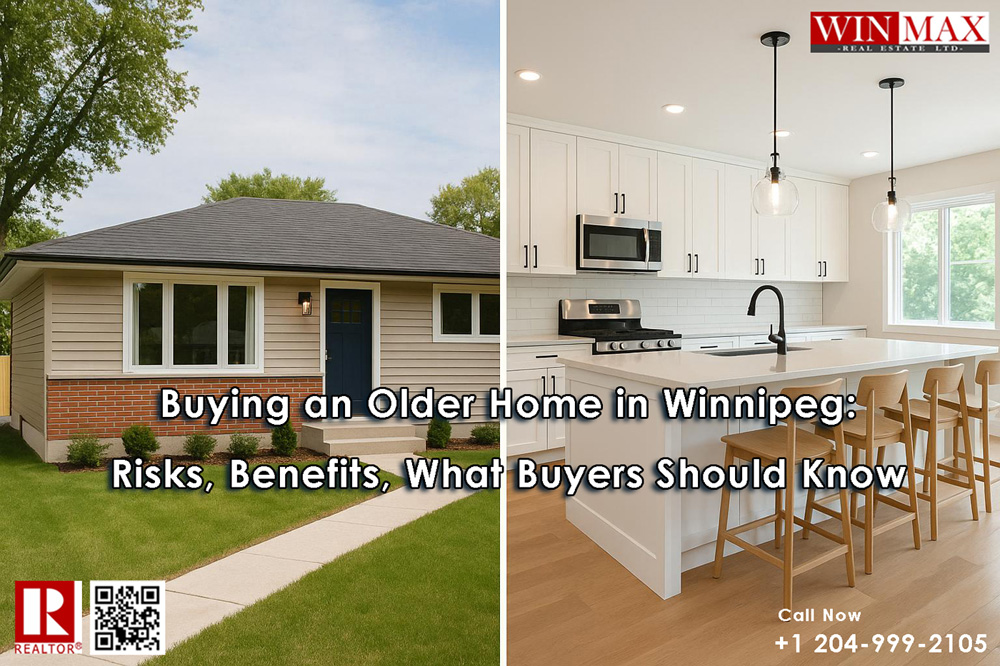
When buyers start searching for a home in Winnipeg, one of the most common questions I hear is:
“These houses were built in the 1950s, 60s, or 70s… is it risky to buy an older home?”
The short answer is: not always. Many older homes in Winnipeg can be fantastic investments - offering excellent value, character, and prime locations - especially if major upgrades have already been completed. But, like any real estate purchase, it’s important to know what to look for.
In this guide, I’ll walk you through the risks, benefits, and practical tips for buying an older home in Winnipeg, with an example from my own first home.
Why Winnipeg Has So Many Older Homes
Winnipeg went through a construction boom between the 1950s and 1970s. Neighborhoods such as St. Vital, St. James, River Heights, East & North Kildonan, and West Kildonan are filled with homes built during this period.
Today, these properties are considered “older,” but many have been remodeled and upgraded with modern essentials like:
- New roofs
- Updated windows
- High-efficiency furnaces
- Hot water tanks
- Modern kitchens and bathrooms
That means you're often getting a solidly built home in an established community, without paying the premium of a brand-new build.
Risks of Buying an Older Home
Like any property type, older homes come with things you should watch for:
1. Outdated Systems
- Older wiring, plumbing, or insulation may need upgrading.
- These are bigger expenses if not already done.
2. Foundation or Structural Issues
- Some older Winnipeg homes may have foundation cracks or settling.
- A professional inspection is always recommended.
3. Asbestos or Lead Paint
- Pre-1980s builds sometimes contained asbestos or lead paint.
- If found, professional remediation is needed.
4. Deferred Maintenance
- If a home hasn't been well maintained, items like the roof, windows, or furnace might need replacing sooner than later.
Benefits of Buying an Older Home
Now for the positives - and there are plenty.
1. Prime Locations
- Older homes are in central, established neighborhoods close to schools, shopping, transit, and parks.
2. Larger Lots & Mature Landscaping
- Many come with bigger yards and mature trees, unlike most newer builds.
3. Better Price Point
- Even remodeled older homes are often more affordable than new builds.
- You also avoid paying for extras like landscaping, fences, and driveways.
4. Charm & Character
- Hardwood floors, unique layouts, and classic mid-century designs give these homes personality.
5. Upgrades Make Them Feel New
- Many older Winnipeg homes have been completely remodeled, making them functionally and visually as good as new.
Real-Life Example: My First Home in Winnipeg
My own first home in Winnipeg was built in the 1950s. At first, I had the same question many of my clients ask: “Isn't it risky to buy something that old?”
But this home had been fully remodeled in 2024 with a new roof, furnace, hot water tank, windows, and updated finishes throughout. Once I moved in, it didn't feel like a 1950s home at all - it felt like brand new construction.
That experience taught me an important lesson: the year a home was built matters far less than the quality of its upgrades and maintenance.
Tips for Buyers Considering an Older Home
If you're exploring older homes, here are some tips to guide your decision:
1. Always Get a Home Inspection
- A certified inspector will identify foundation, electrical, plumbing, and structural issues.
2. Focus on the Big-Ticket Items
- Roof, furnace, hot water tank, and windows are the most expensive to replace.
- If these are already updated, you'll save thousands down the road.
3. Check for Permits
- Make sure any major renovations (basements, additions, secondary suites) were done with proper city permits.
4. Plan for Upgrades
- Even in good condition, set aside a budget for small updates or cosmetic changes.
5. Work With a Local Realtor
- An experienced Winnipeg realtor can help identify which homes have already been upgraded, and negotiate pricing that reflects true value.
Should You Buy an Older Home in Winnipeg?
The truth is: older homes are not automatically risky.
If key upgrades are already done and the home passes inspection, an older property can be an excellent choice - often offering a better location, larger lot, and more character than many new builds.
Final Thoughts
Buying an older home in Winnipeg comes down to being informed. With the right inspection, focus on upgrades, and professional guidance, you can find a property that gives you the best of both worlds: the charm of an established neighborhood and the peace of mind of modern upgrades.
If you'd like help comparing older homes with new builds - or want guidance on inspections, upgrades, and financing - I'd be happy to help.
📞 Call or text me at 204-999-2105
Your trusted Winnipeg Realtor - helping newcomers, first-time buyers, and investors make confident real estate decisions.
More Posts
Downsizing In Winnipeg: A Practical Guide For Homeowners
How To Analyze A Winnipeg Rental Property Before You Buy: A Complete Investor Guide
What Happens To Your Mortgage When You Sell Your House In Canada?
Selling Your Vacation Home Or Cabin In Manitoba: What Owners Need To Know
Is Buying During Winnipeg’s Parade Of Homes A Smart Move?
Selling Your Parents' Home When They Move Into Assisted Living Or A Retirement Residence In Winnipeg
How To Buy A Home In Winnipeg And Rent Part Of It To Help Pay Your Mortgage
How To Sell A Luxury Or Executive Home In Winnipeg: A Complete Seller’s Guide
How To Sell Vacant Land In Winnipeg: The Complete Guide For Property Owners
The Ultimate Winnipeg Closing Day Checklist For Buyers And Sellers
Can I Sell My House Without Paying Capital Gains Tax In Canada?
How To Sell An Inherited Property In Winnipeg: A Complete Guide For Executors And Beneficiaries
How To Save For A Down Payment In Canada: A Complete Guide For First-Time Home Buyers
DIVORCE AND REAL ESTATE IN WINNIPEG: WHAT HAPPENS TO THE FAMILY HOME?
What To Check When Viewing A House In Winnipeg: The Ultimate Buyer’s Guide
NIGERIANS BUYING A HOME IN WINNIPEG: THE COMPLETE GUIDE FOR FIRST-TIME BUYERS, NEWCOMERS & INVESTORS
WHY WINNIPEG HOMES SELL OVER ASKING PRICE - Offer Day, Bidding Wars & “Offers As Received” Explained
WINNIPEG HOME BUYER REBATES, TAX CREDITS & INCENTIVES IN 2026: COMPLETE GUIDE TO SAVING THOUSANDS
SELLING A TENANT-OCCUPIED PROPERTY IN WINNIPEG: THE COMPLETE LANDLORD GUIDE
Selling Your Home Without A Realtor In Winnipeg - The Complete FSBO Guide
Understanding The Home Buying Process: A Step-by-Step Guide
Should You Renovate Before Selling Your Home In Winnipeg? (What Actually Adds Value)
Selling & Buying A Home At The Same Time In Winnipeg (Complete Guide)
Important Things To Do When Moving Into A New Home
Selling Your Home In Winnipeg: Tips For A Fast And Profitable Sale
The Ultimate Guide To Buying A Pre-Construction Home
How To Choose The Right Realtor For Your Home Sale
The Ultimate Guide To Buying A Home In Winnipeg
Top Neighborhoods In Winnipeg For Home Buyers: Best Areas To Live
Flipping Houses In Winnipeg: The Investor’s Guide To Finding And Renovating For Profit
Choosing A Top Realtor In Winnipeg: The Ultimate Guide For Home Buyers And Sellers
Power Of Attorney Home Sale In Winnipeg | Expert Realtor Guide
A Guide For Nigerians Moving To Winnipeg - What To Know Before Buying Your First Home
Why Many Nigerians Are Investing In Duplexes And 4-Plexes In Winnipeg
Selling A Home “As-Is” In Winnipeg: What Sellers Need To Know (And When It Makes Sense)
Realtor Explains Which Winnipeg Neighborhoods Investors Should Watch In 2026
New Build Vs Resale Home In Winnipeg: Which Is Better For You?
Buying A New Build Home In Winnipeg: Complete Costs, Process & Mistakes To Avoid
What Really Helps You Sell Your Home For A Higher Price In Winnipeg
Off-Market Homes In Winnipeg: What Buyers Should Know
What Is My Home Worth In Winnipeg In 2026? A Complete Guide For Homeowners
Avoid These Common Mistakes When Selling Your Home In Winnipeg - 2026 Edition
Moving To Winnipeg: Complete Relocation Guide For Buyers & Investors
First-Time Home Buyer GST Rebate In Winnipeg (2026 Complete Guide)
Winnipeg Infill Duplex & Multi-Family Homes: Investment Guide (2026)
The Complete Guide For Home Sellers In Winnipeg (2026 Edition)
How Much Does It Cost To Sell Your Home In Winnipeg? A Realtor Explains
Work Permit Holders Can Buy Homes In Canada - Here’s How (2025 Guide)
How Much Does It Cost To Buy A Home In Winnipeg? A Realtor Explains
Buying An Older Home In Winnipeg: Risks, Benefits, What Buyers Should Know